
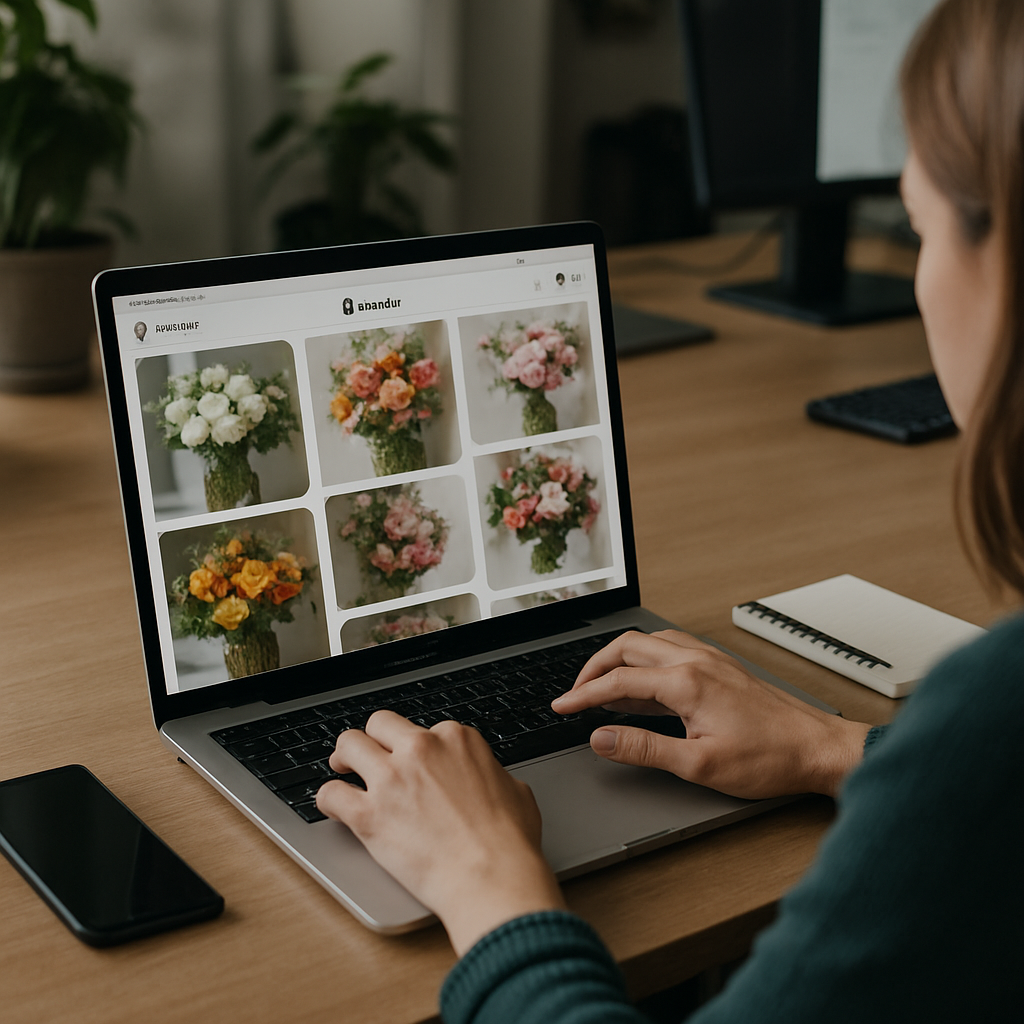
Florists have a secret weapon most local shops still underuse, and the smartest Pinterest marketing tactics in 2026 are quietly moving the needle on wedding bookings, sympathy orders, and everyday bouquet sales. Pinterest isn’t really a social network. It’s a visual search engine where people plan things they intend to buy, which is exactly the mindset a florist wants to catch.
If you run a flower shop and you’ve been pouring energy into Instagram Reels with mixed results, this is going to feel different. Pinterest content compounds. A single pin from January can still be sending inquiries in October. Let’s get into the seven tactics that actually work for florists this year.
1. Build Wedding-Focused Idea Pins With Real Pricing Context
Brides start planning 12 to 18 months out, and they use Pinterest more than any other platform for it. That’s your window. The best Pinterest marketing tactics for wedding florists lean into "cost tiers" content, things like "Wedding centerpieces under $150" or "Bridal bouquets by budget: $200, $400, $700."
Vague inspiration boards are everywhere. Pricing context is rare. When you show a real bouquet with a real ballpark, you get qualified clicks, not just saves.
Use the Idea Pin format with 4 to 6 slides. Slide one is the hook. Slides two through five show variations. The final slide is a soft call to action linking to your consultation page.
2. Design Vertical Pins That Actually Convert
Pinterest still rewards 2:3 vertical images at 1000 x 1500 pixels. This hasn’t changed, and yet half the florists on the platform are still uploading square Instagram exports.
Your pin needs three things: a beautiful hero image, readable text overlay (18 to 24 words max), and your shop name in a small corner watermark. That’s it. Overdesigned pins with five fonts get scrolled past.
I’d suggest making a Canva template with four to five layout variations, then batch-producing 30 pins in an afternoon. That gives you a month of daily posting without the last-minute scramble.
3. Target Seasonal Searches Before Everyone Else Does
Pinterest search traffic spikes about 45 days before any holiday. Which means if you’re pinning Valentine’s content on February 1st, you’ve already missed the wave.
Here’s a rough calendar florists should follow: Mother’s Day pins go live by late March, Valentine’s by early January, Christmas centerpieces by mid-October, and prom corsages by early April. Sympathy and everyday content stays evergreen, running steadily all year.
Pinterest’s own Trends tool (free, and underused) will show you exactly when searches for "fall wedding bouquet" or "autumn wreath DIY" start climbing. Trust the data, not your gut. The Pinterest Business blog publishes seasonal insight reports worth bookmarking.
4. Turn Every Blog Post Into 5 Pins
If you have a florist website with a blog (and if you don’t, that’s the first fix), each post should generate at least five different pins. Same URL, different creative.
One pin might feature a wide shot of the arrangement. Another shows a close-up detail. A third uses a text-heavy design like "5 flowers that last 2+ weeks." A fourth is a before/after. A fifth compares two styles side by side.
Pinterest treats each pin as its own piece of content. This is one of the Pinterest marketing tactics that dramatically expands reach without demanding more writing. Similar batching logic works across industries, which is why we recommend it in our guide to Facebook Ads tactics for bakeries as well.
5. Use Rich Pins to Sync Product Data Automatically
Rich Pins pull metadata straight from your website, so pricing, availability, and product descriptions stay current without you editing anything on Pinterest.
For a florist, Product Rich Pins are the priority. If you sell seasonal arrangements online, verifying your site once (through Pinterest’s validator and adding some Open Graph tags) means every product pin now shows a live price tag. Pins with prices get significantly higher click-through rates because shoppers already know if they’re in your range.
If your site can’t support this yet, that’s a signal your storefront needs upgrading. A modern florist site should handle structured data cleanly, which is one reason we often recommend a proper web build over a patched template for shops planning to scale.
6. Run Pinterest Ads With a Narrow Local Radius
Organic reach on Pinterest is generous by 2026 standards, but paid amplification for florists is still absurdly cheap compared to Meta. You can often get qualified engaged-couple traffic for under $0.40 a click.
Set up a Promoted Pin campaign targeting a 25-mile radius around your shop. Layer in interests like "wedding planning," "bridal shower," or "home decor" depending on the campaign. Age range 24 to 45 works well for wedding content. For sympathy and everyday flowers, widen to 30 to 65.
Start with $5 a day per campaign. Run three campaigns in parallel: weddings, seasonal holidays, and everyday orders. After two weeks, kill the worst performer and reallocate. That’s the whole strategy. These Pinterest marketing tactics don’t need a huge budget, they need a tight geo filter and patience.
7. Track What Pins Are Bringing People Into Your Shop
This is the part most florists skip. Pinterest analytics tells you which pins get impressions and saves, but not which ones bring foot traffic or phone calls.
Use UTM parameters on every pin URL. Tag them by campaign, by pin type, by season. Then check Google Analytics 4 monthly to see which pins drove actual bookings, not just clicks. You’ll usually find that two or three pins are doing 80% of the heavy lifting, and those are the ones you replicate.
Also add a "How did you hear about us?" question to your contact form. It sounds low-tech, but the data adds up fast, and it catches attribution that GA4 misses on mobile browsers.
Making Pinterest Marketing Tactics Work Long Term
The mistake most florists make is treating Pinterest like Instagram, posting once and expecting instant results. Pinterest is a long game. Pins keep working for months, sometimes years. That’s the whole point.
Commit to 90 days of consistent pinning (5 to 10 pins daily, using a scheduler like Tailwind), and then evaluate. If your analytics show growing impressions and even a handful of consultation requests, you’re on the right track. Double down from there.
Don’t ignore your website while you do this either. Pinterest sends the traffic, but if your site loads slowly or the booking form is broken on mobile, you lose the sale. Mobile matters more every year, which is why we spend so much time on mobile navigation UX with our florist clients before we even talk about marketing spend.
One more thing: reply to every comment and message within 24 hours. Pinterest’s algorithm quietly rewards responsive accounts, and engaged couples remember florists who feel personal, not corporate.
Final Thoughts
The florists winning in 2026 aren’t necessarily the most talented designers, they’re the ones who figured out how to be found by the right people at the right moment. That’s what these Pinterest marketing tactics deliver: consistent visibility during the exact planning windows when brides, event coordinators, and homeowners are ready to spend.
Pick two or three of these tactics to start. Wedding-focused Idea Pins and Rich Pins are usually the highest-ROI place to begin for shops with a decent website. Add seasonal batching next, then paid amplification once you’ve got 30 to 60 days of organic data. The Pinterest marketing tactics that work are the ones you actually stick with, so build a rhythm you can sustain past the first busy season.
References
- Pinterest Business Blog: https://business.pinterest.com/en-us/blog/
- Pinterest Trends Tool: https://trends.pinterest.com/
- Pinterest Ads Manager Documentation: https://help.pinterest.com/en/business/article/pinterest-ads-manager
- Google Analytics 4 UTM Guidelines: https://support.google.com/analytics/answer/10917952

