
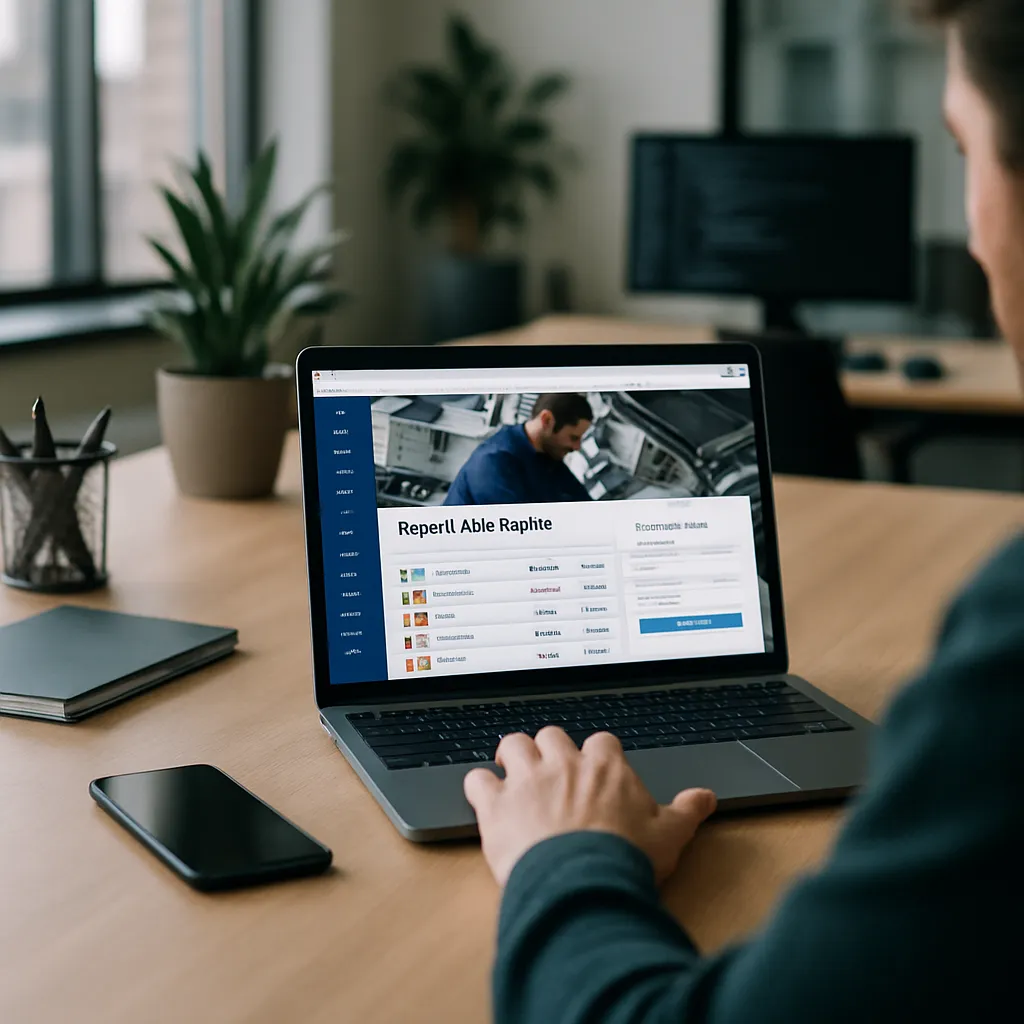
A modern auto repair web portal is no longer a nice-to-have for independent garages, dealership service centers, or multi-location shops. It is the front door where customers decide whether to trust you with a $2,000 timing belt job or scroll past to the next shop. If your booking flow still relies on a phone call during business hours, you are quietly losing work every single week.
I have spent years helping service businesses tighten up their digital experience, and auto repair is one of the trickiest. The customer is usually stressed, sometimes stranded, and almost always price-sensitive. A well-built auto repair web portal has to solve for all of that without feeling like a Soviet-era DMV form.
Below are nine features that consistently move the needle in 2026. Not fluff, not "someday" ideas. Real things shops are shipping right now and seeing results from.
Why an Auto Repair Web Portal Matters More Than Ever
Roughly 76% of car owners research repair options online before ever calling a shop, according to industry data from Cox Automotive. That number keeps climbing every year, and younger drivers almost never pick up the phone first.
An auto repair web portal is where that research turns into a scheduled appointment. Miss the moment and the customer books with someone else, usually a national chain with a slicker site. Nail it and you fill your bays weeks in advance.
The features below are what separate portals that convert from portals that collect dust.
1. Real-Time Bay Availability and Live Scheduling
Static contact forms are dead. Customers want to see actual open time slots for tomorrow morning, not "we’ll get back to you within 24 hours."
A proper auto repair web portal syncs directly with your shop management system (Mitchell 1, Tekmetric, Shop-Ware, and so on) and shows real bay availability by service type. An oil change might fit into a 30-minute slot while a transmission diagnostic needs three hours. The portal should know the difference automatically.
Shops that switched to live scheduling typically see booking rates jump 40% to 60% within the first quarter. That is not a marketing number, that is what our clients actually report.
2. VIN-Based Vehicle Lookup
Asking a customer to type in "2019 Toyota Camry LE 2.5L 4-cylinder AWD" is asking them to leave. VIN decoders pull all of that data in one paste.
Better still, once you have the VIN, your auto repair web portal can pre-populate the customer’s service history, recommended maintenance intervals, and any open recalls. That last one is a gold mine. Recall notifications alone can add 15% to your monthly service revenue.
Pair this with a simple photo upload option so customers can snap a picture of a warning light and attach it to the booking. Techs love the context, and it cuts phone tag by half.
3. Transparent Upfront Pricing Estimates
Nothing kills trust faster than "we’ll tell you the price when you get here." Shops that publish estimated pricing ranges on their auto repair web portal win the trust battle before the customer even sits down.
You do not need to commit to exact quotes. A range works ("brake pad replacement typically $180 to $340 depending on parts") along with a note that a certified inspection confirms the final price. Customers appreciate the honesty and stop shopping around.
The same trust-building logic applies across service industries. We covered it in depth in this piece on accounting firm web portal features that drive client retention, and the parallels are striking.
4. Two-Way SMS and Email Reminders
No-shows kill margins. A single missed two-hour slot can cost $250 in lost labor plus the ripple effect on the rest of the day.
Automated reminders sent 48 hours, 24 hours, and 2 hours before the appointment cut no-show rates from around 18% down to under 5%. The auto repair web portal should also let customers reschedule with one tap directly from the SMS, no login required.
Two-way is the key word here. If a customer replies "can we push to Thursday?", the system should read that, propose new slots, and confirm without a human touching it. This is where a bit of AI actually earns its keep.
5. Digital Vehicle Inspection Reports With Photos and Video
When a tech finds a leaking CV boot, showing the customer a 15-second video beats any verbal explanation. Digital vehicle inspections (DVIs) have become table stakes in 2026.
The customer receives a link, sees color-coded results (green, yellow, red), watches short clips of actual issues on their car, and approves recommended work with a tap. Approval rates on upsells jump from around 25% (verbal phone quotes) to 55% or higher (visual DVIs).
Your auto repair web portal should host these inspections in the customer’s account so they can revisit them later. Old inspections also help justify future work: "remember that yellow item from March? It just turned red."
6. Loaner Car and Shuttle Booking Integration
For anything beyond a quick oil change, transportation is the make-or-break factor. If the portal makes customers hunt down a separate loaner request form, half of them abandon the whole booking.
Add loaner availability, shuttle scheduling, or even a "we’ll Uber you" option directly into the checkout flow. Shops that bundled transportation into their auto repair web portal booking flow saw completion rates climb by 28% on repair jobs over $500.
Small detail, big revenue lift.
7. Customer Account History and One-Click Rebooking
Repeat customers are the lifeblood of any shop. Making them re-enter everything on every visit is insulting.
A customer account should remember every vehicle, every past service, every preferred technician, and every payment method. "Book the same oil change as last time" should be one button. This is the same loyalty logic we broke down in our post on veterinary clinic app features that drive pet owner loyalty, and the retention math works out almost identically.
Bonus points: mileage-based service predictions. If the portal knows the customer averages 1,200 miles per month, it can automatically suggest the next oil change window.
8. Integrated Payment and Financing Options
Repairs over $1,000 stall out constantly at the payment step. Adding financing partners like Sunbit, Snap Finance, or Affirm directly into the auto repair web portal recovers a huge chunk of those stalled jobs.
The application should happen inline, take under 60 seconds, and show approval before the tech starts the work. Shops using integrated financing report a 22% average ticket increase because customers approve the full recommended repair instead of picking and choosing.
Also accept Apple Pay, Google Pay, and text-to-pay. Younger customers will not fish out a physical card.
9. Google Reviews Automation and Referral Loops
After a completed service, the portal should send a satisfaction pulse-check first ("how was your visit, 1 to 5?"). Fives get directed to Google, Yelp, or Facebook review links. Anything lower gets routed privately to the service manager.
This simple filter can push your Google review count from 40 to 400 in a year without a single unhappy public review. And referral loops ("$25 credit for you and your friend") built into the customer account keep the flywheel spinning.
If you want to see how similar mechanics apply in a different vertical, check our breakdown on real estate web portal features that drive buyer leads. Same playbook, different industry.
Putting It All Together
Building an auto repair web portal with all nine features is not a weekend project. It usually takes 12 to 20 weeks with a competent development team, integration with your shop management system, and careful UX work so the whole thing feels effortless on a phone screen.
The payoff is real though. Shops that ship even six or seven of these features typically see 30% to 50% more online bookings within six months, higher average tickets, and fewer front-desk headaches. The auto repair web portal becomes your best service advisor: available 24/7, never in a bad mood, and always upselling politely.
Start with live scheduling, DVIs, and SMS reminders if you have to prioritize. Layer in the rest as budget allows. Your bays, your technicians, and your bottom line will thank you.
References
- Cox Automotive Market Insights: https://www.coxautoinc.com/market-insights/
- Automotive Service Association industry reports: https://asashop.org/
- Tekmetric shop management benchmarks: https://www.tekmetric.com/
- Digital Dealer conference research briefs: https://digitaldealer.com/

