
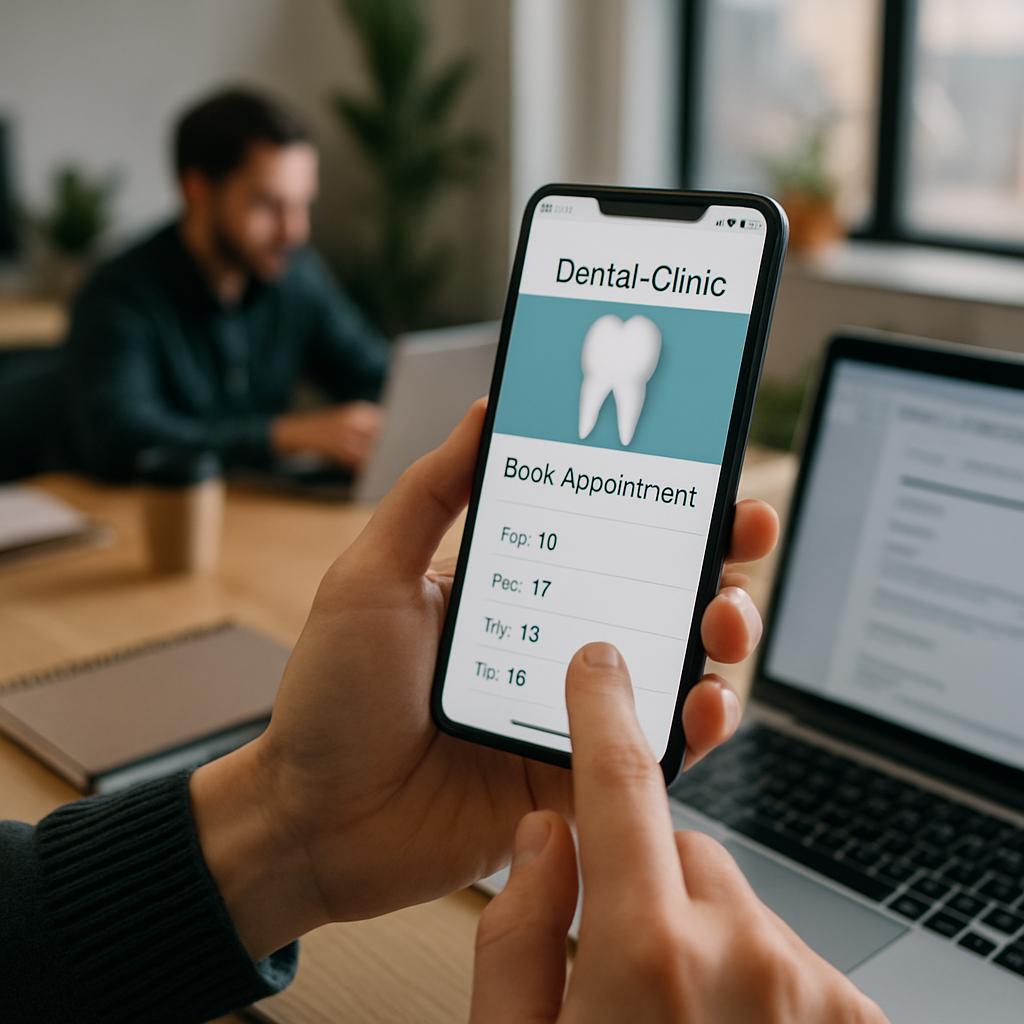
A well-built dental clinic app doesn’t just look modern on the App Store, it quietly does the work of a receptionist, a reminder service, and a marketing team combined. That matters more in 2026 than it ever has, because patients now expect the same booking experience they get from Uber or DoorDash. If your app makes them tap more than three times to schedule a cleaning, they’ll close it and call your competitor down the street.
I’ve spent enough time working with dental practices to know which features move the needle and which are just shiny extras. Below are nine that actually earn their spot in a dental clinic app, ranked by how much they influence bookings and retention.
1. Real-Time Chair Availability and Instant Booking
Patients hate playing phone tag. If your dental clinic app shows the actual open slots for a hygienist next Tuesday, and lets someone book without a callback, you’ve already beaten most practices in your zip code.
The trick is syncing with your practice management software (Dentrix, Open Dental, Eaglesoft) so availability is live, not stale. A patient tapping a 3:15 slot and getting confirmation in under five seconds feels magical. Behind the scenes it’s just a decent API integration, but the conversion lift is real.
2. Smart Appointment Reminders That Actually Reduce No-Shows
Everyone sends reminders. Few do it well. A modern dental clinic app should send a text 48 hours out, a push notification the morning of, and a one-tap "I’m running late" option that alerts the front desk.
Practices I’ve worked with have cut no-show rates from around 18% to under 6% after layering these together. That’s thousands of dollars a month in recovered chair time for a solo practice. Multi-location groups see even more.
3. Insurance Verification Before the First Visit
This is the feature nobody talks about, but it’s the one that quietly kills booking friction. New patients don’t want to guess if you take their plan.
Let them snap a photo of their insurance card in the dental clinic app, run it through a verification API like Zuub or Vyne Trellis, and show estimated coverage before they commit. When someone sees "your cleaning is likely covered 100%" on the booking screen, they book. It’s that simple.
4. Teledentistry and Photo Triage
Since 2023, teledentistry stopped being a pandemic experiment and became a real revenue channel. A patient with a chipped filling can snap a photo, send it through the app, and a dentist can decide whether it’s urgent or can wait two weeks.
This does two things. It filters emergencies properly, and it captures patients who might otherwise Google their symptoms and never call. Building this into a dental clinic app is straightforward now, especially with HIPAA-compliant video SDKs like Doxy.me or Zoom for Healthcare. If you’re weighing your tech stack, the differences between Flutter and React Native for a startup are worth understanding before you commit.
5. Family Profiles Under One Login
Parents book for their kids. Adult children book for aging parents. If your dental clinic app forces a separate account for each person, you’re creating friction that costs you bookings.
Let one login manage multiple patient profiles with distinct histories, insurance details, and appointment preferences. Mom should be able to schedule Emma’s cleaning and Dad’s crown consultation in the same session. This one feature alone can double engagement time inside the app.
6. Transparent Pricing and Treatment Plans
Cost anxiety is the number one reason patients delay dental work. A dental clinic app that shows treatment plan estimates, breaks down what insurance covers, and offers financing options through partners like CareCredit or Sunbit removes that anxiety.
Show the numbers before the patient walks in. Let them accept the plan digitally, so the treatment coordinator isn’t chasing signatures. This alone can shorten your case acceptance cycle from days to minutes.
7. Integrated Payment and Membership Plans
If a patient finishes a visit and has to stop at the front desk to pay, you’re leaving convenience on the table. Modern dental clinic app users expect Apple Pay, Google Pay, and stored cards.
More importantly, this is where in-house membership plans shine. A monthly $35 plan that includes two cleanings, x-rays, and 15% off procedures can be sold, signed, and charged entirely inside the app. Practices with membership plans see 2.5x higher lifetime patient value, and mobile enrollment converts far better than paper forms at the counter.
8. Review Prompts at the Right Moment
Timing is everything with reviews. Ask right after a successful cleaning when the patient is still in their car, and you’ll get a five-star Google review. Ask three days later and you’ll get silence.
A dental clinic app can trigger a review request 45 minutes after the visit ends, deep-linking directly to Google or Yelp. Combine this with organic content strategies like Instagram Reels tactics for dental leads and you build a review pipeline that new patients actually trust. According to the American Dental Association, patient trust remains the top factor in new-patient conversion, and reviews are how that trust gets built online in 2026.
9. AI-Powered Symptom Checker and Smart FAQ
Patients Google their symptoms at 11 PM. Wouldn’t you rather they open your app instead? An AI symptom checker trained on common dental issues (tooth sensitivity, gum bleeding, jaw pain) can guide them toward booking the right appointment type.
This isn’t diagnosis, it’s triage. The bot asks a few questions, suggests whether it’s urgent, routine, or cosmetic, and drops them into the right booking flow. Practices using this have reported a 22% increase in same-week bookings from new patients. The same conversational patterns we’ve written about in SaaS onboarding UX apply here: reduce cognitive load, ask fewer questions, and always show progress.
What to Skip in Your Dental Clinic App
Not everything belongs in your app. Skip the gamified brushing timer for adults (nobody uses it), skip the news feed of dental articles nobody reads, and skip the loyalty points system that requires more explanation than it’s worth. Every feature you add is a maintenance cost, a support ticket source, and a potential bug. Focus on what drives bookings and retention. Anything else is a distraction.
Also, be careful with push notification frequency. One reminder is helpful. Three in a day is uninstall-worthy. Test your notification cadence with real patients before rolling it wide.
How to Roll This Out Without Overwhelming Your Team
You don’t need all nine features on day one. Start with real-time booking, reminders, and insurance verification. Those three alone will pay for the build within six months for most practices.
Add teledentistry and family profiles in phase two. Then layer in payments, memberships, and the AI symptom checker as your patient base gets comfortable with the app. Training your front-desk team matters too, because they need to promote the app confidently at checkout. Print a QR code, put it on business cards, mention it in every email signature.
Track weekly active users, booking conversion rate, and no-show rate. If those three numbers move in the right direction, you’re winning. If they don’t, something in the flow is broken and worth fixing before you add anything new.
Wrapping Up
A dental clinic app in 2026 isn’t a nice-to-have, it’s the front door to your practice. Patients decide within about eight seconds whether your app is worth keeping installed, so every screen has to earn its place. Get the booking flow right, kill no-shows with smart reminders, remove insurance and pricing friction, and you’ll see the calendar fill up on its own.
The practices winning right now aren’t the ones with the flashiest interfaces. They’re the ones treating their dental clinic app like the most productive employee they’ve ever hired: quiet, consistent, and always working the phones. Build with that mindset, ship the essentials first, and the rest gets easier.
References
- American Dental Association, ada.org
- HIPAA Journal on mobile health compliance, hipaajournal.com
- ADA Health Policy Institute research on patient behavior trends

