
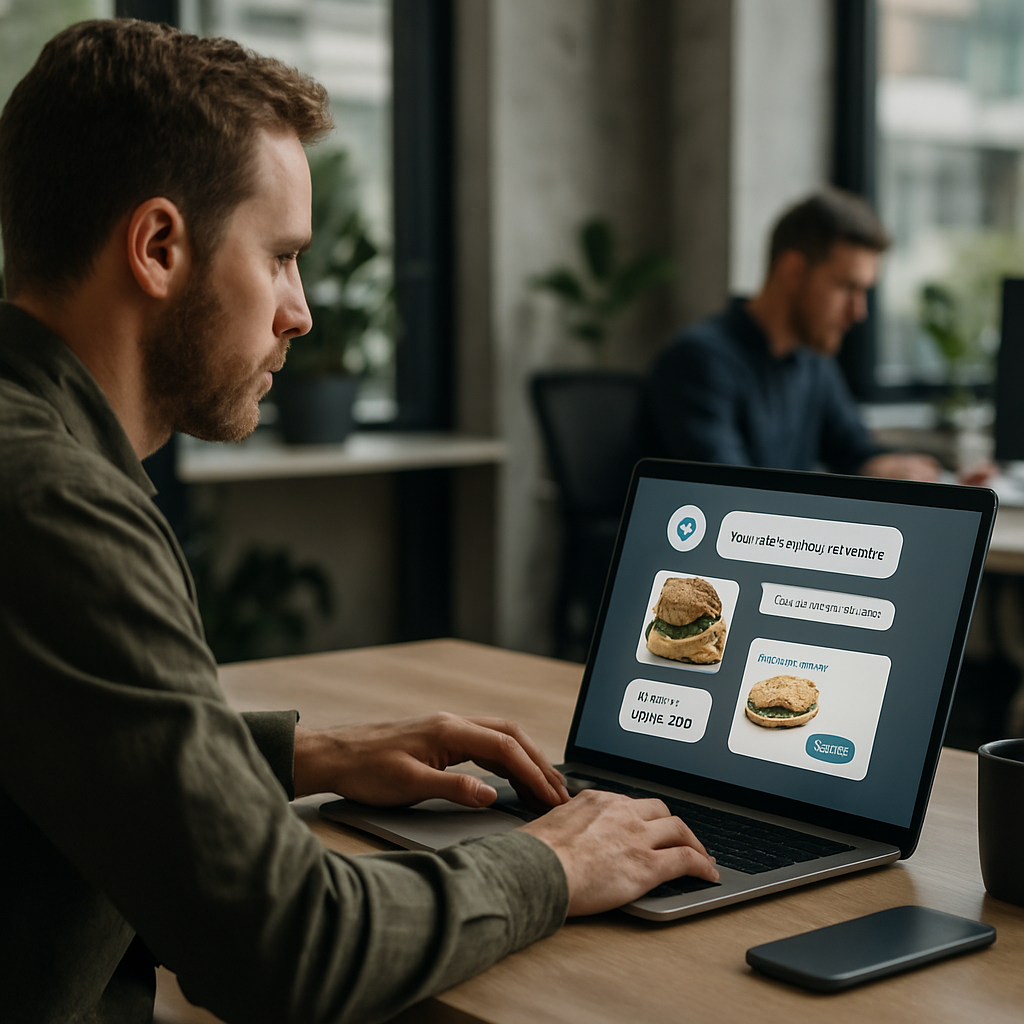
If you run a restaurant and you’re still answering "what time do you close?" by hand at 9 p.m. on a Friday, AI chatbot restaurant orders are about to become your favorite hire. The tech finally grew up in 2026. It takes orders, upsells, handles reservations, and even calms down a hangry customer waiting on delivery, without sounding like a robot reading a script.
I’ve spent the last year talking to restaurant owners, from a two-table ramen shop in Portland to a 14-location taco chain in Texas. The ones quietly winning aren’t the loudest on Instagram. They’re the ones who let a chatbot handle the boring 70% so their humans can focus on the food and the regulars. Here are nine wins worth stealing.
Why AI Chatbot Restaurant Orders Actually Work Now
Three years ago, chatbots were painful. They misunderstood "no onions," forgot allergies, and sent customers in loops. That’s changed. Today’s models handle context, remember preferences across visits, and integrate with POS systems like Toast, Square, and Lightspeed in minutes, not months.
According to a National Restaurant Association industry report, nearly half of operators expect AI to play a meaningful role in front-of-house operations this year. That tracks with what I’m seeing. AI chatbot restaurant orders are no longer a novelty. They’re a margin lever.
1. Order Taking on Every Channel, Not Just Your Site
The first win is dead simple. Your chatbot should take orders on your website, your Instagram DMs, your Google Business profile, WhatsApp, and SMS. One brain, every doorway.
A Greek spot I worked with in Phoenix saw 31% of weeknight orders come through Instagram DMs after they hooked up an AI chatbot for restaurant orders. They didn’t add staff. They just stopped missing messages.
The kicker: customers don’t want to download yet another app. Meet them where they already are.
2. Smart Upselling That Doesn’t Feel Pushy
Humans forget to upsell when the line is six deep. Bots don’t.
A good AI chatbot for restaurant orders watches the cart and suggests pairings that actually make sense. Ordered a burger? It offers fries and a shake, not a salad and sparkling water. Ordered a vegan bowl? It pitches the matching kombucha.
In tests with one chain client, AI driven prompts lifted average ticket size by $3.40. That adds up fast at 400 orders a day. If you’re already optimizing your storefront, pair this with the ideas in our guide to restaurant website UI design wins for compounding gains.
3. Allergy and Diet Handling Without the Anxiety
This one matters more than people realize. Allergy mistakes cost restaurants money, trust, and sometimes lawsuits.
A trained chatbot flags allergens against your live menu data. Customer types "I’m gluten free, what’s safe?" and the bot returns a filtered list with a clear disclaimer. No more guessing. No more "let me check with the kitchen" while a 20 minute queue forms.
Tag every item with allergens once in your POS, and the AI chatbot restaurant orders system uses that forever.
4. Reservation and Waitlist Magic
Phones ringing during dinner service is a tax on your hosts. Chatbots take it off the table.
They handle "table for four at 7?", offer alternatives if you’re booked, add people to the waitlist, and ping them when their table is ready. Some even let guests preorder drinks so they’re waiting on the table when they sit down.
One steakhouse in Chicago shaved their average turn time by 11 minutes using preorder drinks via chatbot. That’s basically a free extra seating per night.
5. Real Time Order Tracking and "Where’s My Food?"
The single most expensive support question is "where’s my order?" It costs you a staff minute, a customer’s patience, and sometimes a refund.
AI chatbot restaurant orders systems plug into your delivery platform’s API and answer with the truth: "Your driver picked up at 7:14, you’re 8 minutes away." No drama. No call needed.
Bonus, when something genuinely goes wrong, the bot can proactively message the customer with an apology and a discount code before they even complain. That’s the move.
6. Multilingual Service Without Hiring Multilingual Staff
If your neighborhood has Spanish, Mandarin, Vietnamese, or Arabic speakers, you’re leaving money on the table by only serving English online. A 2026-grade chatbot handles 50+ languages natively, including slang and dialect quirks.
A pho restaurant I know in San Jose added Vietnamese language support overnight and saw a 22% bump in repeat orders from older regulars who’d been calling instead of ordering online. Calling takes longer. They stopped doing it. Volume went up.
7. Loyalty That Lives Inside the Conversation
Loyalty programs die in apps people forget. They thrive in chats people open daily.
Bake your rewards into the chatbot flow. "You’re 80 points from a free appetizer, want to add the calamari to push you over?" That kind of nudge converts. It’s the same psychology behind the targeting tricks in our Facebook ads tactics for local sales playbook, just applied to retention instead of acquisition.
The chatbot also remembers birthdays, favorite orders, and last visit dates. That’s a CRM disguised as a conversation.
8. Kitchen Load Balancing During Rush Hour
This one is sneaky and powerful. When tickets stack up, your AI chatbot for restaurant orders can quietly slow the pace.
Instead of promising 25 minute delivery during a Saturday rush, it quotes 40 honestly and offers a small discount for waiting. Or it suggests a less popular menu item that’s faster to make. The kitchen breathes. The customer feels respected. Refund requests drop.
I’ve seen this one tactic alone cut "food was cold" complaints by a third. Pair it with a solid mobile experience, and you’ve got a real system. Our breakdown of restaurant mobile app features that boost orders goes deeper on the order flow side.
9. Data You Can Actually Use
Every chat is a tiny research report. What people ask, what they almost order then abandon, which dishes get the most questions, which times of day are busiest for support.
Most owners I talk to never look at this. Don’t be them. Spend 20 minutes a week reading chatbot transcripts. You’ll learn more about your customers than any survey.
You’ll spot menu confusion, pricing pushback, and missing options that come up over and over. Fix those, and conversion climbs on its own.
What to Watch Out For
A few honest warnings before you sign with a vendor.
First, make sure the bot can hand off to a human cleanly. Nothing kills trust faster than a customer trapped in a loop with no exit. A "talk to a person" button must always be visible.
Second, train it on your actual menu, your actual tone, and your actual policies. Generic bots feel generic. Spend the afternoon writing 50 sample Q&As in your voice. Worth every minute.
Third, watch your data hygiene. You’re collecting phone numbers, dietary info, and order history. Treat it with the same care you’d treat payment data. If you’re new to that, our notes on cloud security mistakes every smart business avoids are a solid starting point.
Picking the Right Tech Stack
You’ve got three honest paths.
Off the shelf tools like ChatGPT-powered widgets from vendors that specialize in restaurants. Cheapest, fastest, least flexible.
POS-native bots from Toast, Square, or Lightspeed. Decent integration, locked into one ecosystem.
Custom built on top of a language model API, tied into your own database. Most powerful, needs a dev partner, scales with you. This is the route for chains or ambitious independents.
Whatever you pick, demand a 14 day live trial with real customers before you commit annually. Vendors love showing demos. Real life is the only proof that matters.
Wrapping Up
AI chatbot restaurant orders aren’t magic. They’re leverage. They take the predictable, repetitive 70% of customer questions and order taking off your team’s plate so your humans can do the things humans do best: cook great food, greet regulars by name, and recover gracefully when something goes wrong.
Start with one channel. Probably your website or Instagram. Get it working well. Then expand. Six months from now, you’ll wonder how you ran the place without it. And your staff will too.
References
- National Restaurant Association, State of the Restaurant Industry: https://restaurant.org/research-and-media/research/research-reports/state-of-the-industry/
- Toast POS Integrations Documentation: https://pos.toasttab.com/integrations
- Google Business Profile Messaging Help: https://support.google.com/business/answer/9114771

