
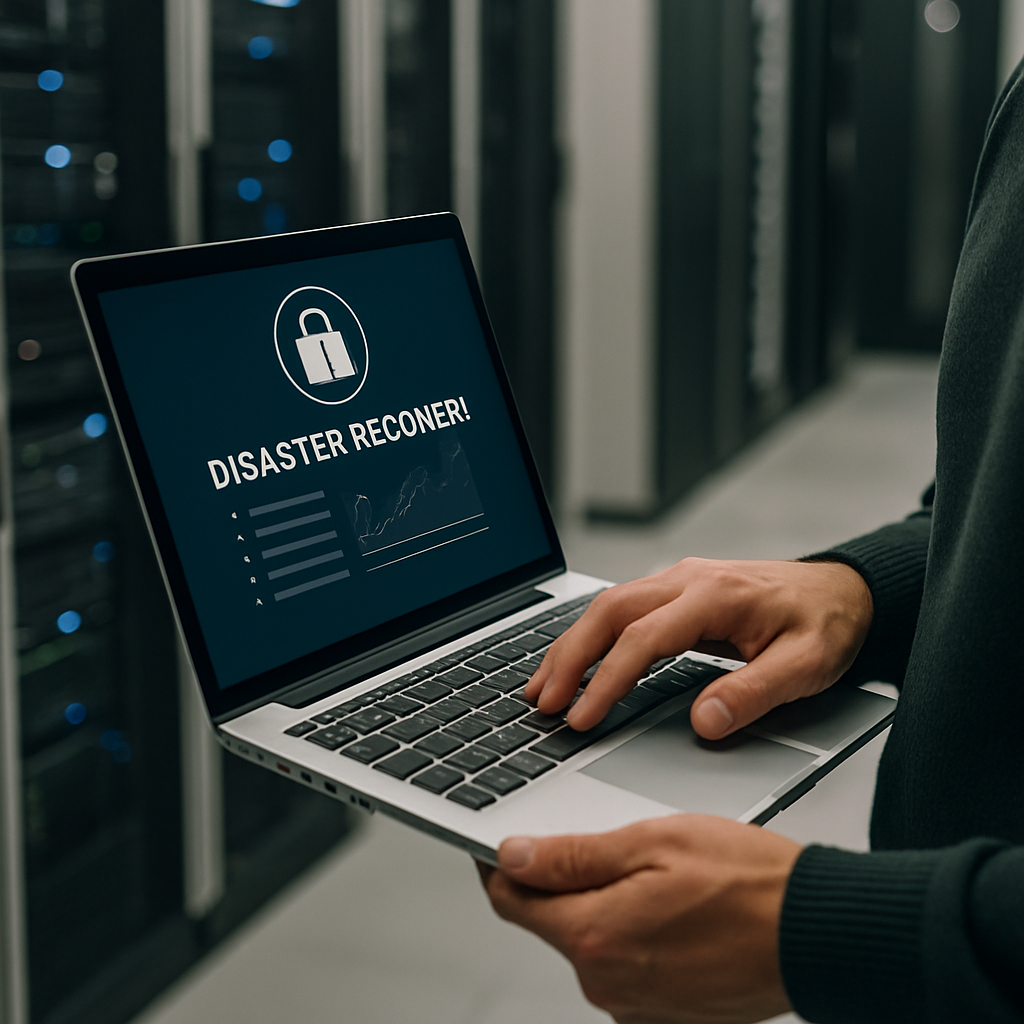
A solid hotel disaster recovery plan is the difference between a bad afternoon and a front-page story nobody wants. Ask any general manager who has watched the PMS go dark on a Friday night with 400 arrivals in the queue. They will tell you: the guests do not care why the check-in kiosk froze. They just want their room.
Hotels in 2026 run on layered tech. Property management systems, keycard servers, POS at the restaurant, IoT thermostats, guest Wi-Fi, revenue management APIs, loyalty databases. One weak link and the whole guest experience wobbles. Below are seven wins I have seen work in real properties, from boutique inns to 800-room resorts.
1. Map Every System Before You Plan Anything
You cannot recover what you have not documented. And most hotels I audit have gaps in their inventory that would shock the CFO.
Start with a full asset map. PMS, POS, keycard controllers, door locks, PBX, CCTV, HVAC, guest Wi-Fi controllers, back-office finance tools, third-party channel managers, all of it. For each system, note the vendor, the RTO you can live with, and the RPO your revenue can tolerate.
A boutique hotel might accept a two-hour PMS outage. A convention resort during peak week absolutely cannot. Your hotel disaster recovery playbook should reflect those numbers, not a generic template someone downloaded in 2019.
Tag each system with a criticality tier. Tier 1 is check-in, payments, and keys. Tier 2 is F&B and spa POS. Tier 3 is reporting and back-office. Recovery order follows those tiers, not who screams loudest.
2. Backups That Are Actually Tested (Not Just Scheduled)
Every hotel I have worked with runs backups. Maybe one in four has restored from those backups in the last twelve months. That gap is where hotel disaster recovery plans quietly die.
Follow the 3-2-1-1-0 rule. Three copies of data, two different media, one offsite, one immutable, and zero errors in your last recovery test. That last zero is the one everyone skips.
Test quarterly at minimum. Pick a random system, spin it up in a sandbox from last night’s backup, and time the whole restore. If it takes six hours to bring the PMS back and your RTO is two, you have a problem to solve before the storm hits, not during.
Immutable backups matter more than ever because ransomware crews specifically target backup repositories now. If your backup admin credentials can delete backups, so can an attacker with those same credentials.
3. A Real Ransomware Playbook, Not a Checklist
Ransomware is the number one cause of extended hotel outages I have investigated over the past three years. And most properties still treat it like a generic IT incident.
Your hotel disaster recovery plan needs a ransomware section that answers ugly questions in advance. Who authorizes taking the PMS offline? Who talks to guests in the lobby when keys stop working? Who calls the cyber insurance carrier, and within what window? Does the GM have authority to pay, or does that go to ownership?
Pair the playbook with proper endpoint controls. The kind of layered defense discussed in these endpoint security lessons for real estate agencies translates almost directly to hotel front-desk workstations, which are notoriously exposed.
Do a tabletop exercise once a year with the GM, IT, front office, and comms. Ninety minutes. Coffee and pastries. It is the cheapest insurance you will ever buy.
4. Cloud Failover for the PMS and Guest-Facing Systems
On-prem PMS servers still exist, and honestly some of them run beautifully. But if your recovery strategy depends on one physical box in a back office closet next to the ice machine, that is a bet against Murphy’s Law.
Modern hotel disaster recovery leans on cloud failover. Either the PMS itself is SaaS with a documented RTO from the vendor, or you have a warm standby in a cloud region ready to take over. Same for channel management, loyalty, and the reservation engine.
Cost matters here, and it can get out of hand fast. Some of the same discipline from these cloud cost optimization tactics for SaaS startups applies to hotels running warm DR environments. Right-size the standby, use reserved capacity, and turn off what you do not need between drills.
If you operate multiple properties, a shared DR region across the portfolio spreads the cost nicely.
5. Keep the Front Desk Running When Everything Else Fails
The dirty secret of hotel IT: the front desk needs to check people in even when the network is gone. Guests do not accept "the system is down" as an answer. Not at midnight, not with kids in tow.
Every property should have a documented manual mode. Printed arrival lists updated hourly. Physical key envelopes with pre-encoded backup keys for the next 48 hours of arrivals. A card-imprint device (yes, still) or an offline payment terminal that batches and uploads later. A paper folio template.
This is the human layer of hotel disaster recovery, and it is what guests actually experience. Train new front-desk hires on manual check-in during onboarding, not during a crisis. Run a manual-mode drill every six months on a slow Tuesday afternoon.
The properties that handle outages gracefully are not the ones with the fanciest tech. They are the ones whose staff have done this before, calmly.
6. Vendor and Integration Resilience
Your hotel does not run on your systems alone. It runs on OTAs, channel managers, payment processors, keycard vendors, and roughly twenty APIs you may have forgotten about. A hotel disaster recovery strategy that ignores third parties is half a plan.
Get vendor SLAs in writing. Ask each critical vendor for their own DR posture. What is their RTO? Where are their backups? What happens to your data if they get breached? If the answer is vague, that is your answer.
Build fallback logic into integrations. If the loyalty API times out, the check-in should not freeze. If the channel manager stops pushing inventory, room availability should default to a safe state, not oversell. The same integration discipline that shapes good law firm digital transformation applies here: assume every external system will fail sometime, and design accordingly.
Keep a vendor emergency contact list on paper in the manager’s office. When email is down, you need phone numbers.
7. Communication Plan for Guests, Staff, and Owners
Technical recovery is only half the battle. How you communicate during an incident shapes the online reviews you live with for years.
Prepare templates in advance. A lobby sign for Wi-Fi outages. An SMS script for guests when keys need to be re-encoded. A one-page brief for owners and corporate. A holding statement for press if the incident is large enough to attract attention.
Assign one spokesperson per shift. Everyone else refers questions there. Nothing amplifies a small outage faster than five staff members offering five different explanations to five different guests.
Post-incident, send a brief, honest recap to affected guests. A small gesture (breakfast comp, points, a drink) goes a long way. According to the FTC’s data breach response guidance, timely and clear communication also reduces regulatory and legal exposure if guest data was involved.
Putting Your Hotel Disaster Recovery Program Together
Do not try to do all seven at once. That is how good intentions become abandoned Confluence pages.
Pick a starting point based on your biggest gap. If you have not tested a backup in six months, start there. If your ransomware playbook is a two-page PDF from 2021, redo it this quarter. If your PMS lives on one aging server, plan the cloud migration now, before the hardware votes to retire.
Budget-wise, treat hotel disaster recovery as a percentage of IT spend rather than a one-time project. Somewhere between 10 and 15 percent is healthy for most independent and mid-scale properties. Bigger for luxury and resort operations where a single lost night can run into six figures.
The hotels that will look brilliant in 2026 are not the ones that avoid every incident. They are the ones that recover in twenty minutes while their competitor down the street is still on hold with a vendor. Solid hotel disaster recovery is quiet, unglamorous work, and it is exactly what separates a well-run property from a lucky one.
References
- FTC, Data Breach Response Guide for Business: https://www.ftc.gov/business-guidance/resources/data-breach-response-guide-business
- NIST SP 800-34, Contingency Planning Guide for Federal Information Systems
- AHLA, Hospitality Cybersecurity and Technology Reports, 2025 to 2026
- Veeam Data Protection Trends Report, 2026 edition

