
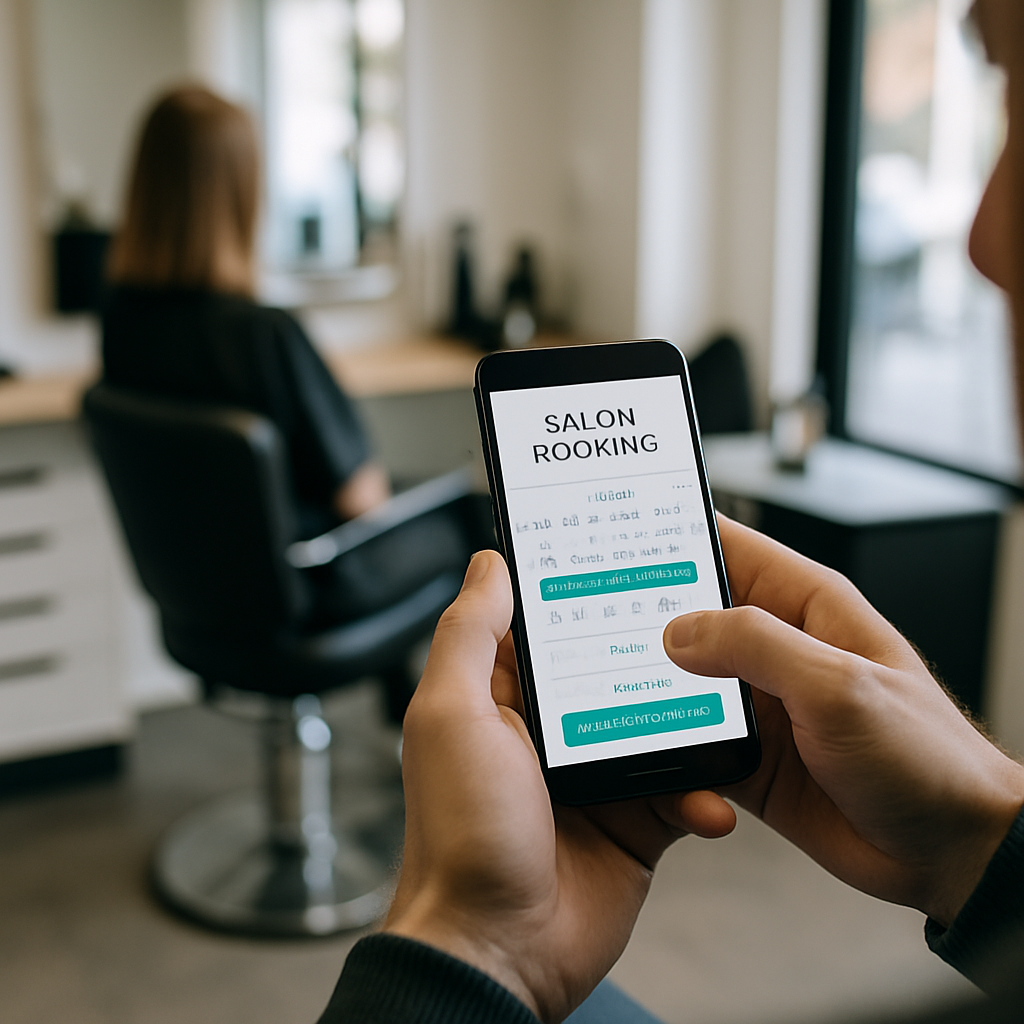
If you run a salon, you already know the truth: a great salon booking app does more than fill the calendar. It quietly keeps clients coming back, even when a competitor opens two blocks away with cheaper prices. That’s the whole game, retention.
Most owners obsess over acquiring new clients. Meanwhile, the ones who already tried your place are slipping away because rebooking took three text messages and a phone call. A well-built salon booking app fixes that friction, and then some. Below are nine features we’ve seen consistently move the needle for salons, from single-chair studios to multi-location chains.
Why a Salon Booking App Is a Retention Tool, Not Just a Calendar
Let’s get one thing straight. A salon booking app is not a fancy Google Calendar. It’s the connective tissue between a client’s memory of their last cut and their decision to book the next one.
Every touchpoint matters. The confirmation text, the pre-visit reminder, the tip prompt, the follow-up. Miss any of these, and your rebook rate quietly drops five to ten percent per month. Nail them, and clients feel taken care of before they even sit in the chair.
According to a Square retail and beauty trends report, salons using integrated booking and CRM tools see repeat visit rates roughly 30% higher than those relying on manual scheduling. That’s not a small delta. That’s the difference between growing and treading water.
1. Smart Rebooking Prompts Based on Service Cycle
Every service has a natural rhythm. Root touch-ups every 4-6 weeks. Men’s cuts every 3-4. Balayage every 10-12. Your salon booking app should know this and prompt clients at exactly the right moment.
The best implementations send a friendly nudge two days before the typical rebook window closes. Not pushy, just helpful. Something like, "Hey Sara, your color usually holds about 5 weeks, want to grab a slot for next week?" That’s the kind of message that gets tapped, not deleted.
Pair it with one-tap rebooking of the exact same service, stylist, and preferred time slot. Friction kills retention. A three-second rebook keeps clients loyal for years.
2. Stylist-Specific Profiles and Preferences
Clients don’t book salons. They book people. Any salon booking app worth its price tag needs stylist profiles with photos, specialties, portfolios, and reviews.
Even better, let clients save a favorite stylist and get notified when that person opens new availability. When Maria the balayage specialist adds Thursday evenings, her regulars should know first. This is the same personalization thinking that powers micro-interactions that delight users, applied to booking flow.
Bonus: track which stylist has the highest rebook rate. That data tells you who to promote and who might need mentoring.
3. Client Profiles That Actually Remember Things
Ever gone back to a salon and had to explain your allergy or preferred shampoo brand again? It’s annoying. It also signals the business doesn’t care.
A serious salon booking app stores formula notes, color codes, allergy flags, preferred beverage, and even conversation topics the stylist wants to remember. When the client walks in, the tablet at the station already shows: "Loves iced oat latte. Prefers 8V base, 15 vol. Kid starting kindergarten this week, ask about it."
That’s not creepy. That’s memorable service. And memorable service is retention.
4. Deposit and No-Show Protection
No-shows are the silent profit killer. A 15% no-show rate on a $120 service across 40 slots a week is $720 gone. Every single week.
Your salon booking app should support deposits on high-value services, cancellation windows with automatic charges, and a strike system for repeat offenders. Not to be harsh, just to protect the business. Clients respect clear policies. They resent surprise fees.
Also include a waitlist that auto-fills canceled slots. When someone bails at noon, the system texts the next three clients on the list. Someone always says yes.
5. Loyalty Points and Tiered Rewards
A salon booking app connected to a loyalty system multiplies retention. Points for visits, referrals, product purchases, and reviews. Redeemable for services, upgrades, or retail.
Tiered structures work best. Silver, Gold, Platinum, whatever fits your brand. Higher tiers get perks like priority booking, birthday services, or first access to new stylists. People love status. They’ll book more just to hit the next tier.
The apps we’ve built for beauty clients often follow the same retention playbook as fitness apps that drive member loyalty. The mechanics translate almost exactly.
6. In-App Consultations and Photo Uploads
Big color changes and extensions terrify both client and stylist. A pre-visit consultation feature solves this. The client uploads inspiration photos, current hair pics, and describes goals. The stylist reviews before the appointment.
Fewer surprises means fewer redo appointments, fewer refunds, and way better reviews. Also, longer booking windows. A consultation-approved balayage might be a 4-hour block, priced accordingly, with the correct products prepped.
For premium salons, this feature alone justifies the app. Clients feel heard before they walk in.
7. Retail Integration and Post-Visit Recommendations
The salon booking app should not stop working when the client leaves the chair. Two days after the visit, a message goes out: "Your stylist Ana used Olaplex 3 and Kevin Murphy Angel Wash today. Want them delivered by Friday?"
One tap, cart filled, done. This does two things. It boosts retail revenue (which most salons underuse) and it keeps the salon in the client’s daily routine at home. Every wash reminds them of the visit.
Integrate with Shopify or Square for inventory. Track which stylists sell the most and reward them. Retail attach rate is one of the strongest predictors of client lifetime value.
8. Two-Way Messaging and AI-Assisted Replies
Clients want to text, not call. Yet most salons still route messages through a shared inbox that nobody checks after 6pm.
Build two-way messaging into the salon booking app with AI-assisted quick replies for common questions. "Do you offer keratin?" "What are your prices for a men’s cut?" "Can I bring my kid?" The AI drafts a response, the front desk approves in one tap. This kind of automation echoes the wins seen with AI voice assistants driving hotel bookings, just applied to salon workflows.
Response time under 10 minutes correlates directly with booking conversion. Under 2 minutes and you’re basically printing money.
9. Analytics That Tell You Who’s About to Leave
This is the feature most salons don’t know they need until they see it. Your salon booking app should flag clients whose visit frequency is dropping. Someone who used to come every 5 weeks and hasn’t booked in 9? That’s a churn signal.
The system triggers a personalized outreach. Maybe a small comeback discount, maybe a note from their stylist, maybe just a "we miss you" text. Whatever fits your brand voice.
Also track cohort retention by acquisition source, by stylist, by service type. You’ll spot patterns fast. Maybe clients acquired through Instagram churn twice as fast as referrals. That changes your marketing budget instantly.
Bringing It All Together
Nine features sounds like a lot. It’s not. Modern salon booking app platforms let you enable these modularly, and most integrate with tools you already use. The point is not to build a monster. It’s to eliminate every excuse a client has to drift away.
Start with the features closest to your biggest leak. If no-shows kill you, do deposits first. If rebook rates are low, start with smart prompts. If retail sits unused, build the post-visit flow. Layer the rest as revenue supports it.
A well-designed salon booking app pays for itself in about 90 days on retention alone, and after that, it’s pure margin. Clients stay longer, spend more, and refer friends because the whole experience feels effortless. That’s the goal. Not more bookings this week, but a fuller chair next year, and the year after.

